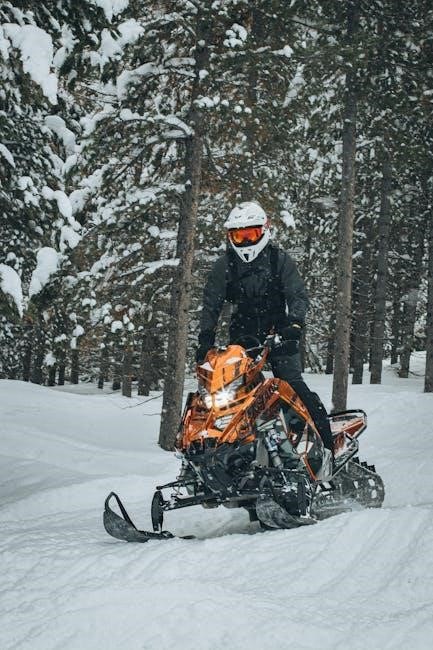
Snowmobile ski guides are essential for optimizing performance and handling‚ evolving from utility origins to specialized designs for diverse riding styles and conditions.
Understanding snowmobile skis‚ their components‚ and proper maintenance ensures a safe and enjoyable experience on the trails or in powder.
Today’s date is 12/12/2025 02:24:06 ()‚ reflecting the ongoing advancements in snowmobile ski technology and rider customization.
What are Snowmobile Ski Guides?
Snowmobile ski guides are comprehensive resources designed to help riders select‚ maintain‚ and understand the crucial role skis play in overall snowmobile performance.
These guides delve into the various types of skis – trail‚ mountain‚ touring‚ and performance – explaining their unique characteristics and ideal applications.
They cover key aspects like ski width‚ length‚ and runner shape‚ detailing how these features impact floatation‚ maneuverability‚ and handling in different snow conditions.
Furthermore‚ ski guides often provide insights into popular brands like Ski-Doo‚ Polaris‚ Yamaha‚ and C&A Pro‚ aiding riders in choosing the best options for their specific needs and riding style.
Ultimately‚ a good snowmobile ski guide empowers riders to make informed decisions‚ enhancing both safety and enjoyment on the snow.
The Importance of Choosing the Right Skis
Selecting the correct snowmobile skis is paramount for a safe‚ controlled‚ and enjoyable riding experience. Skis directly influence handling‚ floatation‚ and overall performance in varying snow conditions.
Incorrect skis can lead to instability‚ darting‚ and reduced control‚ particularly on trails or in deep powder. Wider skis enhance floatation‚ crucial for off-trail riding‚ while narrower skis offer quicker steering on groomed paths.
Considering your riding style – aggressive trail riding‚ leisurely touring‚ or challenging mountain terrain – is vital.
Proper ski selection also minimizes fatigue and maximizes efficiency‚ allowing riders to fully enjoy their snowmobiling adventures. Ignoring this aspect can compromise safety and diminish the overall experience.
Types of Snowmobile Skis
Snowmobile skis come in diverse types – trail‚ mountain‚ touring‚ and performance – each engineered for specific riding conditions and rider preferences‚ enhancing control.
C&A Pro offers seven high-performance models tailored to various styles.
Trail Skis
Trail skis are designed for predictable handling and comfort on groomed trails‚ prioritizing ease of steering and stability at moderate speeds. Typically featuring round runners‚ they offer smooth transitions and reduced effort during turns‚ making them ideal for recreational riders and those prioritizing a relaxed experience.
These skis excel in packed snow conditions‚ providing reliable grip and minimizing darting. They often have a narrower width compared to mountain or touring skis‚ focusing on efficiency and maneuverability on maintained paths. Round runners are best for casual trail riding‚ offering a forgiving feel.
Trail skis are a great starting point for new snowmobilers.
Mountain Skis
Mountain skis are engineered for deep powder and steep terrain‚ prioritizing floatation and control in challenging off-trail conditions. Characterized by a wider stance and aggressive lug patterns‚ they prevent the snowmobile from sinking‚ enabling riders to navigate deep snow with confidence.
These skis often feature a more squared-off runner profile for enhanced grip on sidehills and improved carving ability. Mountain skis demand more rider input and skill‚ offering a dynamic and exhilarating experience for experienced adventurers. Wider skis create more floatation by dispersing weight.
They are built for aggressive riding and deep snow exploration.
Touring Skis
Touring skis strike a balance between trail performance and off-trail capability‚ designed for riders who enjoy exploring varied terrain. They typically feature a moderate width‚ offering sufficient floatation for light powder while maintaining maneuverability on groomed trails.
Touring skis often incorporate a versatile runner shape‚ blending the benefits of round and square profiles for predictable handling in diverse conditions. These skis are ideal for riders seeking a do-it-all option‚ capable of tackling both long-distance rides and spontaneous off-trail adventures.
They provide a comfortable and adaptable experience for the adventurous snowmobiler.
Performance Skis
Performance skis are engineered for aggressive riders demanding maximum control and precision. These skis prioritize handling and responsiveness‚ often featuring a more aggressive runner shape – typically square or dual – for enhanced grip in hardpack conditions.
They generally have a narrower width compared to mountain or touring skis‚ focusing on carving performance and quick turning. Performance skis often incorporate advanced carbide designs for superior bite and durability.
Riders seeking peak performance and a connected feel will appreciate the responsiveness and control offered by these specialized skis.
Key Ski Characteristics
Ski width‚ length‚ and runner shape significantly impact floatation‚ maneuverability‚ and handling; Understanding these characteristics is crucial for selecting skis tailored to your riding style.
Ski Width and Floatation
Ski width is a primary determinant of floatation‚ directly influencing how well a snowmobile performs in deep snow. Wider skis distribute the sled’s weight over a larger surface area‚ preventing it from sinking and allowing for easier maneuvering through powder.
Conversely‚ narrower skis offer less floatation but excel on hard-packed trails‚ providing enhanced carving and responsiveness. The ideal width depends heavily on the typical riding conditions; a rider frequently venturing into off-trail terrain will benefit from wider skis‚ while trail riders will prefer narrower options.
Essentially‚ the wider the ski‚ the greater the floatation‚ enabling confident navigation in challenging‚ deep-snow environments.
Ski Length and Maneuverability
Ski length significantly impacts a snowmobile’s maneuverability and stability. Shorter skis generally offer quicker turning and increased agility‚ making them ideal for tight trails and playful riding styles. However‚ they can sometimes feel less stable at higher speeds or in rough terrain.
Longer skis provide enhanced stability and predictability‚ particularly at higher velocities and in challenging snow conditions. They require more effort to initiate turns but offer greater control and a smoother ride.
Choosing the right length involves balancing responsiveness with stability‚ considering both rider preference and intended use.
Runner Shape: Round vs. Square vs. Dual
Snowmobile ski runner shape dramatically influences handling characteristics. Round runners offer smooth‚ effortless steering‚ prioritizing comfort and casual trail riding. They excel in packed snow‚ providing predictable control for relaxed experiences.
Square runners deliver aggressive grip and precise control‚ ideal for carving and challenging terrain. They require more rider input but offer superior responsiveness and stability‚ particularly on icy surfaces.
Dual runners combine the benefits of both‚ featuring a rounded profile for initial bite and a square section for enhanced grip during turns‚ offering versatility for varied conditions.
Popular Snowmobile Ski Brands
Ski-Doo‚ Polaris‚ Yamaha‚ and C&A Pro are leading snowmobile ski manufacturers‚ each offering unique designs and technologies to enhance performance and rider experience.
These brands cater to diverse riding styles‚ from trail to mountain‚ providing options for every snowmobiler.
Ski-Doo Skis
Ski-Doo consistently innovates snowmobile ski technology‚ offering a range of options tailored to various riding conditions and preferences. Their skis are known for precise handling and predictable performance on groomed trails.
Models like the Pilot DS and Pilot RER provide exceptional control and responsiveness‚ while the Summit skis excel in deep powder‚ maximizing floatation and maneuverability. Ski-Doo frequently updates its ski designs‚ incorporating features like optimized keel profiles and carbide runners for enhanced grip and stability.
The brand’s commitment to research and development ensures riders experience cutting-edge performance and a confident ride‚ whether carving through trails or exploring off-piste terrain.
Polaris Skis
Polaris snowmobile skis are engineered for versatility‚ catering to both trail and off-trail adventures. The brand offers a diverse lineup‚ including the popular Gripper skis‚ designed for exceptional bite and control on hard-packed snow and icy conditions.
Polaris also provides wider‚ more aggressive ski options for deep snow riding‚ enhancing floatation and maneuverability in powder. Their skis often feature reinforced construction and durable carbides to withstand demanding terrain and prolonged use.
Continuous innovation ensures Polaris skis deliver a balanced blend of performance‚ comfort‚ and durability‚ making them a favored choice among riders seeking a reliable and responsive experience.
Yamaha Skis
Yamaha snowmobile skis are known for their precision handling and responsive performance‚ designed to complement the brand’s technologically advanced snowmobiles. They focus on delivering a smooth and predictable ride‚ enhancing rider confidence across various snow conditions.
Yamaha offers a range of ski options‚ from narrower designs optimized for groomed trails to wider skis providing increased floatation in deeper snow. Their skis often incorporate innovative runner profiles and carbide configurations for superior grip and control.

Yamaha consistently refines its ski technology‚ prioritizing lightweight construction and durability‚ ensuring a premium riding experience for enthusiasts and adventurers alike.
C&A Pro Skis
C&A Pro skis are highly regarded within the snowmobile community for their high-performance designs and commitment to innovation‚ offering seven distinct models tailored to diverse riding styles. They cater to riders seeking enhanced control‚ precision‚ and floatation in challenging conditions.
C&A Pro specializes in aftermarket skis‚ providing upgrades for snowmobiles from various manufacturers. Their skis are engineered to improve handling‚ reduce steering effort‚ and maximize performance on both groomed trails and off-trail terrain.
Choosing the right C&A Pro ski model depends on individual preferences and typical riding environments‚ ensuring optimal performance and a thrilling snowmobiling experience.

Understanding Ski Components
Snowmobile skis consist of key components like carbides‚ keels‚ and wear bars‚ each contributing to handling‚ grip‚ and durability on various snow conditions.
These parts work together to provide optimal control and performance‚ ensuring a safe and enjoyable ride for snowmobile enthusiasts.
Carbides
Carbides are hardened metal strips attached to the bottom of snowmobile skis‚ playing a crucial role in providing grip and control‚ especially on hard-packed snow and ice.
They dig into the snow surface‚ enhancing steering precision and preventing unwanted sliding. Different carbide configurations – single‚ dual‚ or multi-carbide – cater to varying riding styles and conditions.
Worn carbides significantly reduce traction‚ impacting handling and safety‚ necessitating regular inspection and replacement. The shape and placement of carbides influence the ski’s bite and responsiveness‚ allowing riders to customize their sled’s performance.
Proper carbide maintenance is essential for optimal snowmobile handling and a confident riding experience.
Keels
Keels are raised ridges running along the center of the snowmobile ski’s bottom surface‚ significantly influencing directional stability and tracking‚ particularly in deep snow or during aggressive cornering.
They act as a “fin‚” resisting side-slip and helping the ski maintain a straight line. Keel height and shape vary‚ impacting how aggressively the ski bites into the snow.
Higher keels provide enhanced stability but can make initiating turns more challenging‚ while lower keels offer easier steering but less straight-line hold.
Keel wear affects performance‚ so regular inspection is vital. Choosing the right keel design is crucial for matching riding style and terrain.
Wear Bars
Wear bars are replaceable strips of metal or durable plastic attached to the underside of snowmobile skis‚ protecting the ski’s structural integrity from abrasion and impact damage.
They are designed to wear out before the ski itself‚ extending the ski’s lifespan and maintaining consistent performance. Regular inspection of wear bars is crucial‚ as severely worn bars compromise handling.
Replacing worn wear bars is a relatively simple maintenance task‚ preventing costly ski replacement. Different wear bar materials offer varying levels of durability and grip.
Choosing the correct wear bars for your riding conditions ensures optimal performance and protection for your snowmobile skis.
Ski Maintenance and Care
Regular ski maintenance—cleaning‚ inspection‚ and timely part replacement—is vital for optimal performance‚ safety‚ and longevity of your snowmobile skis.
Addressing issues like darting or ice buildup proactively enhances the riding experience and prevents further damage.
Cleaning Your Skis
Consistent cleaning is paramount for maintaining snowmobile ski performance and extending their lifespan. After each ride‚ or regularly during heavy use‚ remove snow‚ ice‚ and debris with a soft brush or cloth.
Avoid abrasive cleaners that can damage the ski’s surface; warm water and mild soap are generally sufficient. Pay close attention to the carbide runners‚ ensuring they are free from embedded rocks or ice‚ as these can affect handling and wear.
Thoroughly dry the skis after cleaning to prevent corrosion‚ especially if storing the snowmobile in a damp environment. Regular cleaning contributes to smoother rides and prevents premature wear of vital ski components.
Inspecting for Damage
Regular inspection is crucial for identifying potential issues before they escalate. Examine skis for cracks‚ chips‚ or delamination‚ particularly around mounting points and high-stress areas; Check the carbides for wear‚ ensuring sufficient material remains for adequate grip.
Inspect keels and wear bars for excessive erosion‚ which can impact tracking and handling. Look for any loose or missing hardware‚ and address these immediately. Pay attention to any unusual vibrations or noises during operation‚ as these may indicate damage.
Early detection of damage allows for timely repairs‚ preventing further deterioration and ensuring rider safety.
Replacing Worn Parts
Worn ski components significantly impact performance and safety‚ necessitating timely replacement. Carbides‚ keels‚ and wear bars are common wear items requiring periodic attention. When carbides are excessively worn‚ grip diminishes‚ affecting steering and control.
Damaged or missing keels compromise tracking‚ leading to instability. Replacing wear bars restores proper ski profile and handling. Utilize manufacturer-recommended parts for optimal compatibility and performance.
Proper installation is vital; consult service manuals or seek professional assistance if needed. Replacing worn parts extends ski lifespan and maintains a safe‚ enjoyable riding experience.
Comparing Ski Models
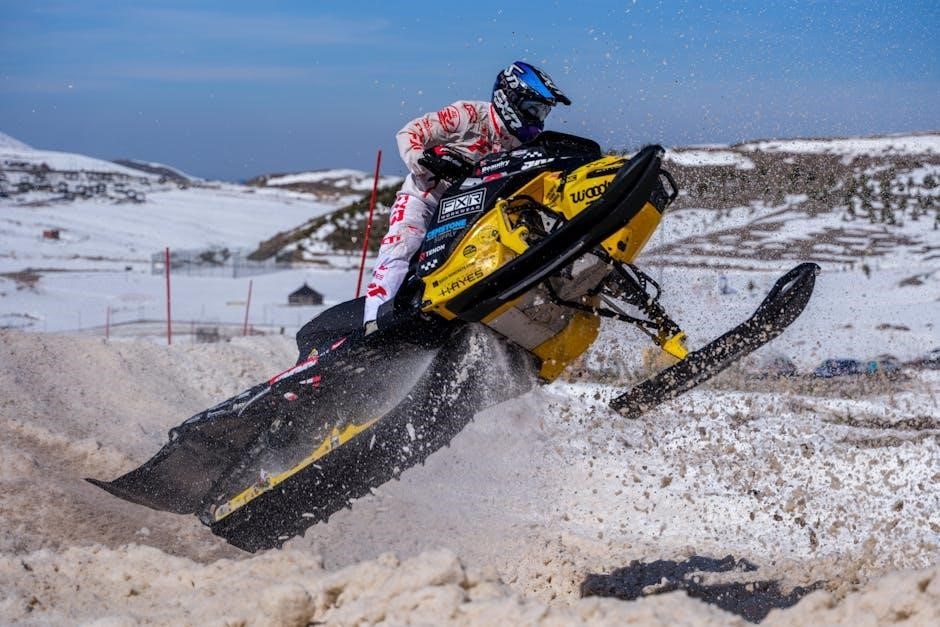
Ski model comparisons‚ like Ski-Doo versus Polaris Gripper skis‚ reveal performance differences impacting handling and control‚ tailored to individual riding preferences and terrain.
Evaluating features helps riders select skis aligning with their specific needs and riding style for optimal snowmobile performance.
Ski-Doo vs Polaris Gripper Skis Comparison
Ski-Doo and Polaris Gripper skis represent distinct approaches to snowmobile handling. Ski-Doo skis generally prioritize predictable carving and stability on groomed trails‚ offering a smoother ride for recreational touring.
Conversely‚ Polaris Gripper skis are engineered for aggressive cornering and enhanced grip‚ particularly in challenging snow conditions.
The Gripper’s design features deeper lugs and a more aggressive keel‚ providing superior bite and control during hard turns; However‚ this can translate to a slightly rougher ride on smoother surfaces.
Choosing between the two depends heavily on your primary riding style and the terrain you frequent. A Q&A session can help clarify these differences.
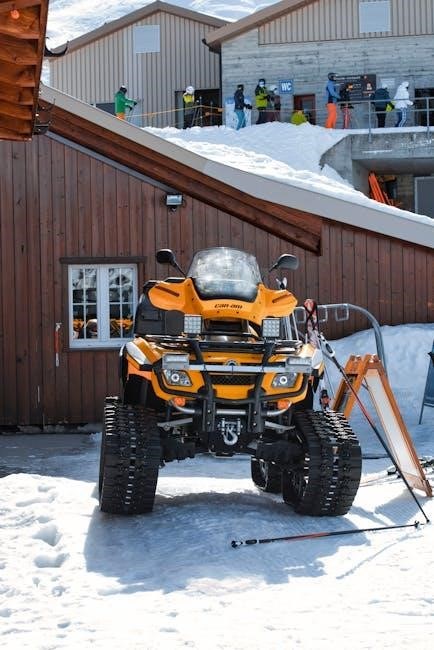
Choosing Skis Based on Riding Style
Selecting the right skis hinges on your riding style. Trail riders benefit from skis offering predictable handling and comfort‚ like round or dual-runner designs‚ prioritizing smooth carving and reduced fatigue on groomed paths.
Mountain riders demand maximum floatation and control in deep powder‚ necessitating wider skis with aggressive lugs and keels.
Touring skiers require a versatile blend‚ opting for skis that perform adequately on trails while still providing sufficient off-trail capability.
Performance-oriented riders often choose skis with square runners for enhanced grip and responsiveness‚ enabling aggressive cornering and precise control.
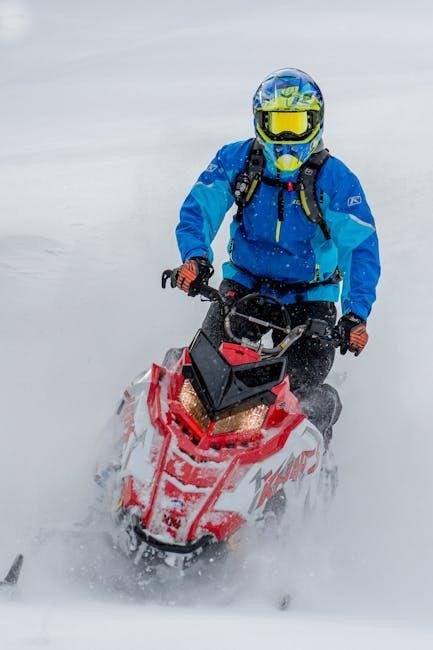
Addressing Common Ski Issues
Darting and instability‚ alongside ice buildup‚ are frequent concerns. Proper ski alignment‚ carbide inspection‚ and regular cleaning mitigate these problems‚ ensuring optimal control.
Darting and Instability
Darting‚ characterized by sudden‚ unwanted steering changes‚ and overall instability are common issues snowmobilers encounter. Several factors contribute to these problems‚ including improper ski alignment‚ worn carbides‚ or incorrect suspension setup. A slight misalignment can cause the skis to “hunt” for traction‚ leading to a darting sensation.
Worn carbides reduce grip‚ exacerbating instability‚ especially on hard-packed snow or ice. Ensuring proper ski pressure and adjusting the suspension to match your weight and riding style are crucial steps. Regularly inspecting and maintaining your skis‚ along with addressing any alignment issues promptly‚ will significantly improve handling and rider confidence.
Ice Buildup
Ice buildup on snowmobile skis dramatically reduces traction and control‚ creating a hazardous riding situation. Moisture from snow and slush quickly freezes on the ski surface‚ diminishing grip and causing unpredictable handling. This is particularly problematic in fluctuating temperatures near freezing.
Regularly cleaning skis during rides‚ especially in wet conditions‚ helps minimize ice accumulation. Applying a non-stick coating or ski wax can also prevent ice from adhering. Consider skis designed with features to shed ice more effectively. Prioritizing slower speeds and cautious maneuvering when encountering icy patches is essential for maintaining safety and control.
Finding a Snowmobile Ski Dealer
Locating authorized dealers and searching new snowmobile ski inventory is crucial for finding the perfect fit for your sled and riding needs.
Dealers offer expert advice and a wide selection of skis and carbides.
Locating Authorized Dealers
Finding authorized snowmobile ski dealers is straightforward with several online resources available to enthusiasts. Most major manufacturers – like Ski-Doo‚ Polaris‚ and Yamaha – feature dealer locators directly on their official websites.
These tools allow users to search by zip code‚ city‚ or state‚ pinpointing nearby dealerships offering genuine parts and expert service. Additionally‚ C&A Pro‚ a prominent aftermarket ski brand‚ provides a similar dealer network search function on their website.
Utilizing these official channels ensures access to qualified professionals who can assist with ski selection‚ installation‚ and maintenance‚ guaranteeing optimal performance and safety.
Searching New Inventory
Searching for new snowmobile ski inventory often begins online‚ with dealer websites frequently showcasing current stock and available models. Many dealerships update their online catalogs regularly‚ providing detailed specifications and pricing information for various ski options.
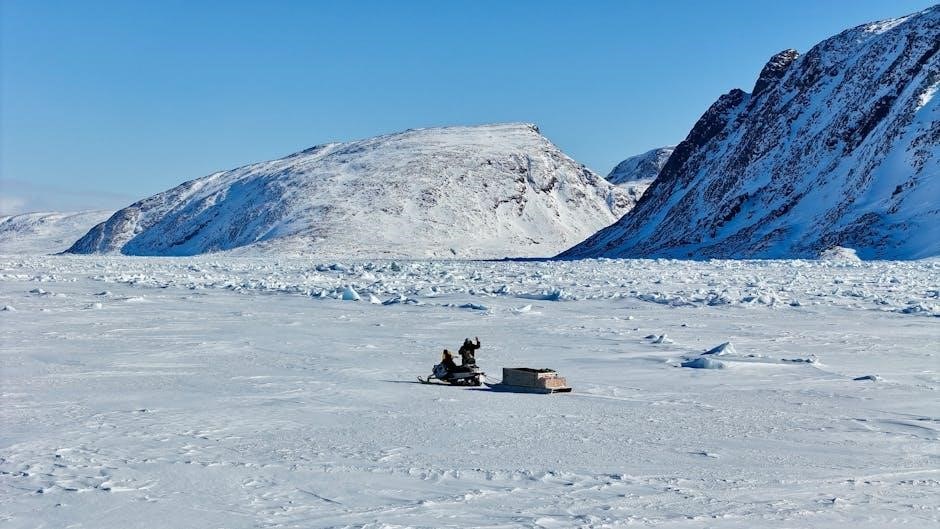
Beyond dealer websites‚ online marketplaces and snowmobile-specific forums can be valuable resources for discovering new ski offerings. Checking manufacturer websites like Ski-Doo‚ Polaris‚ Yamaha‚ and C&A Pro directly reveals the latest releases and technological advancements.
Comparing prices and features across multiple sources ensures you secure the best deal on the perfect skis for your riding style.
The Evolution of Snowmobile Ski Technology
Snowmobile ski technology has dramatically shifted from basic utility designs to high-performance components‚ prioritizing handling‚ floatation‚ and rider control in diverse snow conditions.
Future trends focus on innovative materials and shapes‚ enhancing responsiveness and adapting to evolving rider demands.
From Utility to Performance
Initially‚ snowmobiles‚ and consequently their skis‚ were engineered as functional tools for transportation across snowy terrain‚ prioritizing practicality over performance. These early skis were broad and simple‚ designed for stability and floatation in deep snow‚ mirroring the machine’s original purpose as a utility vehicle.
However‚ as recreational snowmobiling gained popularity‚ a demand emerged for enhanced handling and control. This spurred innovation in ski design‚ leading to narrower‚ more aggressive profiles and the introduction of features like keels and carbides.
The shift towards performance-oriented skis allowed riders to carve turns‚ navigate trails with precision‚ and tackle challenging terrain. Manufacturers began experimenting with different runner shapes and materials‚ optimizing skis for specific riding styles and snow conditions‚ ultimately transforming the snowmobile experience;
Future Trends in Ski Design
Looking ahead‚ snowmobile ski design is poised for further advancements‚ driven by materials science and rider feedback. Expect to see increased integration of lightweight composites‚ potentially incorporating graphene or carbon fiber‚ to reduce weight and enhance responsiveness.
Adaptive ski technology‚ featuring electronically adjustable keel depths or runner profiles‚ could optimize performance on-the-fly based on terrain and riding style. Furthermore‚ advancements in carbide technology will likely focus on durability and grip in icy conditions.
Data-driven design‚ utilizing sensors and analytics to understand ski behavior‚ will enable manufacturers to create skis tailored to specific rider profiles and snow conditions‚ pushing the boundaries of performance and control.