Month: April 2026

worx wg163 manual

Worx WG163 Manual: A Comprehensive Guide

Welcome! This detailed manual assists users in maximizing their Worx WG163 cordless string trimmer’s performance, covering all aspects from setup to maintenance.

The Worx WG163 is a popular cordless string trimmer designed for homeowners seeking a lightweight and efficient solution for yard maintenance. This manual provides a comprehensive guide to understanding and operating your new trimmer effectively. It details everything from initial assembly and safe operation to troubleshooting and maintenance procedures.

This user-friendly tool boasts the convenience of battery power, eliminating the need for cords and offering greater maneuverability. We’ll explore its key features, ensuring you can tackle trimming tasks with confidence and achieve professional-looking results. Prepare to unlock the full potential of your Worx WG163!

Safety Precautions

Prioritize safety! Always wear appropriate eye and ear protection when operating the Worx WG163. Securely fasten all guards and shields before each use. Keep bystanders, especially children and pets, a safe distance away from the trimming area. Inspect the trimmer for any damage before operation, and never use a damaged tool.

Avoid operating in wet conditions or near flammable materials. Disconnect the battery pack when not in use, during maintenance, and before changing accessories. Never attempt to modify the trimmer in any way. Following these precautions will ensure a safe and enjoyable trimming experience.

Package Contents & Parts Identification

Verify contents! Upon opening the package, ensure you have the Worx WG163 string trimmer, a 20V Power Share battery, and a charger. Also included are the spool with trimmer line, a bump feed head, and an auxiliary handle. Carefully check against the parts list to confirm everything is present.

Familiarize yourself with key components like the motor housing, shaft, trimmer head, and battery compartment. Proper identification of these parts is crucial for assembly, operation, and future maintenance. Retain this manual for future reference regarding parts and diagrams.

Identifying Key Components

Essential parts! The motor housing contains the motor and drives the trimmer line. The shaft connects the motor housing to the trimmer head, providing reach. The trimmer head houses the spool and line, delivering cutting power. The auxiliary handle offers enhanced control and comfort during operation.

Recognize the bump feed knob for line advancement and the battery compartment for easy power access. Understanding each component’s function streamlines assembly and troubleshooting. Refer to the parts diagram for visual clarity and accurate identification of each key element of your Worx WG163.

Parts Diagram Overview

Visual guide! The diagram illustrates the complete Worx WG163 assembly, clearly labeling each component. Key areas include the motor housing, shaft assembly, trimmer head, auxiliary handle, and battery compartment. Numbered callouts correspond to a detailed parts list, facilitating easy identification.

Use the diagram during assembly to ensure correct component placement. It’s invaluable for understanding how parts interact and for ordering replacements. Familiarize yourself with the diagram before beginning any maintenance or repairs; This visual resource simplifies troubleshooting and maximizes your trimmer’s lifespan.

Assembly Instructions

Begin assembly on a clean, flat surface. First, carefully unpack all components and verify against the parts list. Follow these steps for a secure and functional setup. Incorrect assembly may affect performance and safety. Refer to the parts diagram for visual guidance throughout the process.

The initial steps involve attaching the handle and shaft, ensuring a comfortable and ergonomic grip. Next, install the string trimmer head, confirming it’s securely locked in place. Double-check all connections before proceeding to operating instructions.

Attaching the Handle & Shaft

Begin by aligning the handle with the designated slots on the trimmer shaft. Ensure proper orientation before inserting, typically indicated by markings. Secure the handle using the provided screws and tighten firmly with a screwdriver – do not overtighten.

Adjust the handle to your preferred ergonomic position for comfortable operation. The shaft then connects to the motor head, aligning the connection points and twisting to lock; Verify a secure fit before use; a loose connection can compromise safety and performance.

Installing the String Trimmer Head

First, ensure the trimmer is switched off and the battery is removed for safety. Locate the trimmer head attachment point on the shaft. Align the head with the shaft, often requiring a specific orientation – check for matching arrows or symbols.

Push the head firmly onto the shaft and twist clockwise until it locks into place. Confirm a secure connection by attempting to pull the head off gently. Load the trimmer line if not pre-loaded, following the instructions for the automatic feed system.

Operating Instructions

Before operation, always inspect the trimmer for damage and ensure the string is properly loaded. To power on, insert the battery and press the locking button, then squeeze the trigger. Variable speed control is achieved by adjusting the pressure on the trigger – lighter pressure for delicate trimming, full pressure for thicker weeds.

Maintain a safe distance from obstacles and bystanders. Avoid tilting the trimmer head excessively to prevent debris from flying towards you. Regularly check the string length and reload as needed for optimal performance.

Powering On/Off & Variable Speed Control

To initiate operation, firmly insert the fully charged battery into the trimmer. Press the safety lock-out button, then squeeze the trigger to activate the motor. Releasing the trigger immediately stops the string head. Variable speed is intuitively controlled by trigger pressure; a gentle squeeze yields lower speed for delicate areas.

Increased pressure delivers maximum power for tackling tougher weeds. Always ensure the safety lock-out is engaged when not actively trimming. Monitor battery level via the indicator lights for uninterrupted use.

Trimming Techniques & Best Practices

For optimal results, utilize a sweeping motion, maintaining a slight angle towards the vegetation. Avoid forcing the trimmer; let the rotating string do the work. Trim in layers, starting with taller weeds and gradually working downwards. Be mindful of obstacles like fences and landscaping features.

To prevent scalping, avoid direct contact with the ground. Regularly clear cut grass and debris to maintain efficiency. Consider trimming along edges first, then moving to larger areas. Always wear appropriate safety gear, including eye protection.

String Replacement

Maintaining optimal string length is crucial for efficient trimming. The Worx WG163 features an automatic feed system, simplifying string advancement during operation. However, manual replacement is sometimes necessary when the string is completely depleted or broken. Ensure the trimmer is switched off and the battery removed before any maintenance. Access the string trimmer head and carefully remove the spool cover.

Inspect the spool for any damage and replace if needed. Wind the new string onto the spool, following the directional arrows. Reassemble the head, ensuring the string is properly threaded through the eyelets.

Automatic Feed System Explained

The Worx WG163 utilizes a convenient automatic feed system to extend the trimmer string without manual intervention. During operation, tapping the trimmer head gently on the ground while running activates the system. This action releases additional string from the spool, maintaining the optimal cutting length. The system relies on centrifugal force and a spring-loaded mechanism.

Ensure you tap with moderate force; excessive force may cause unnecessary string feed. Regularly check the string length and spool condition for optimal performance. If the system fails to feed, manual replacement may be required.

Replacing the String Manually

When the automatic feed system isn’t sufficient, manually replacing the trimmer string is straightforward. First, disconnect the battery for safety. Then, locate and remove the trimmer head cover, typically by pressing release tabs. Pull out the empty spool and discard it responsibly. Insert a new spool of compatible Worx string, ensuring it winds in the correct direction as indicated on the head.

Secure the new spool, replace the cover, and reconnect the battery. Always use genuine Worx replacement string for optimal performance and safety.

Battery & Charger Information

The Worx WG163 utilizes a 20V Power Share battery, offering versatility across various Worx tools. Proper battery care is crucial for longevity and performance. Always use the supplied Worx charger to avoid damage. Charging times vary depending on the battery’s state of discharge, typically ranging from 2 to 4 hours. Avoid overcharging, and store batteries in a cool, dry place.

Regularly check the battery for any signs of damage and never disassemble it. Optimal performance is achieved with fully charged batteries.

Battery Charging Procedures

To charge the Worx WG163’s 20V battery, insert it firmly into the designated charger. The charger’s LED indicator will illuminate, typically red during charging and green when fully charged. Ensure the charger is connected to a standard electrical outlet. Avoid using extension cords if possible, and if necessary, use a heavy-duty outdoor-rated cord.

Do not interrupt the charging cycle until the LED indicates completion. A full charge typically takes 2-4 hours. Always disconnect the charger when not in use.

Battery Care & Maintenance

To maximize battery life, avoid completely discharging the 20V battery before recharging. Store the battery in a cool, dry place, away from direct sunlight and extreme temperatures. Periodically check the battery terminals for corrosion and clean them with a dry cloth if necessary. Do not disassemble or modify the battery pack.

Only use the supplied Worx charger for recharging. Improper charging can damage the battery and void the warranty. Consider purchasing a second battery for uninterrupted use.

Maintenance & Troubleshooting

Regular maintenance ensures optimal performance and extends the life of your Worx WG163. After each use, clean the trimmer head and shaft, removing grass clippings and debris. Inspect the string trimmer line for wear and replace as needed. Store the trimmer in a dry location to prevent corrosion.

If issues arise, consult the troubleshooting section for common problems and solutions. Always disconnect the battery before performing any maintenance or troubleshooting steps. Refer to the warranty information for service options.

Cleaning & Storage

Post-use cleaning is crucial for longevity. Always disconnect the battery before cleaning. Remove grass clippings and debris from the trimmer head, shaft, and motor housing using a soft brush or cloth. Avoid using water directly on the motor or electrical components.

For storage, keep the WG163 in a dry, cool place, away from direct sunlight and extreme temperatures. Ensure the battery is stored separately, following the battery care guidelines. Proper storage prevents corrosion and maintains optimal performance.

Common Issues & Solutions

If the trimmer won’t start, first check the battery charge and ensure it’s securely connected. Verify the safety lock is disengaged. For string breakage, ensure correct string installation and avoid trimming against hard surfaces. If the line feed is inconsistent, clean the trimmer head and check for obstructions.

Should overheating occur, allow the trimmer to cool down before resuming use. Persistent issues may require contacting Worx customer support for assistance. Regular maintenance prevents many common problems.

Technical Specifications

The Worx WG163 operates on a 20V battery system, delivering efficient cordless power. Voltage is consistently 20V, while amperage varies depending on the battery model used (typically 2.0Ah or 4.0Ah). Cutting swath measures 12 inches, providing a reasonable trimming width. The trimmer’s weight, without the battery, is approximately 5.1 pounds, ensuring manageable handling.

String diameter is 0.065 inches, suitable for general yard work. Maximum RPM reaches around 8,500, offering sufficient cutting speed. These specifications contribute to the WG163’s overall performance and usability.

Voltage & Amperage Details

The Worx WG163 utilizes a 20V Power Share battery platform, offering compatibility across a range of Worx tools. Voltage remains constant at 20V, ensuring consistent power output. Amperage, however, can vary based on the battery model selected – commonly 2.0Ah, 3.0Ah, or 4.0Ah options are available.

Higher amperage translates to longer runtime between charges. Using a 4.0Ah battery will provide significantly more trimming time compared to a 2.0Ah battery. Always check your battery’s label for specific amperage details.

Cutting Swath & Weight

The Worx WG163 boasts a 12-inch cutting swath, enabling efficient trimming of lawns and edges in a single pass. This width strikes a balance between speed and maneuverability. Regarding weight, the trimmer (with a 2.0Ah battery) typically weighs around 5.1 pounds.

This lightweight design minimizes user fatigue during extended use. However, battery size impacts overall weight; a 4.0Ah battery will add some heft. Its balanced construction further enhances user comfort and control while operating.

Warranty Information

Worx provides a standard warranty for the WG163, typically covering manufacturing defects for a period of three years from the date of purchase. This warranty encompasses defects in materials and workmanship under normal use. However, it doesn’t cover items damaged through misuse, accidents, or unauthorized modifications.

To make a claim, retain your proof of purchase and contact Worx customer support. Battery packs often have a separate, shorter warranty period, usually one year. Registering your product online can streamline the warranty process.

Understanding the Worx Power Share System

The Worx Power Share platform is a key benefit of owning the WG163. It allows you to utilize the same 20V MAX lithium-ion battery across a wide range of Worx tools – lawn care, power tools, and more! This eliminates the need for multiple chargers and batteries, saving you money and storage space.

Batteries and chargers are sold separately, offering flexibility; Investing in additional Power Share tools expands your versatility. Check compatibility before purchasing, ensuring the tool supports the 20V MAX system.

Accessories Compatible with WG163

Enhance your Worx WG163’s capabilities with a range of compatible accessories! Consider the Spool Replacement Line for continuous trimming, ensuring you’re never caught short mid-task. For more demanding jobs, explore the Grass & Weed Edger attachment, providing precise edging along sidewalks and driveways.

Worx also offers a Power Share Pro wheel kit for easier maneuverability on larger properties. These accessories, sold separately, significantly broaden the trimmer’s functionality, adapting it to diverse landscaping needs. Always verify compatibility before purchasing any add-ons.

Optional Heads & Attachments

Expand the versatility of your WG163 with optional heads! The String Trimmer Head is standard, but consider the Edger attachment for crisp, clean edges along paths and gardens. For tackling tougher weeds, the Brush Cutter head provides increased power and durability.

Additionally, the Hedge Trimmer attachment allows for quick and easy hedge maintenance, all powered by the same Worx Power Share battery. These interchangeable heads transform your trimmer into a multi-tool, saving space and money. Ensure proper installation and safety precautions when switching attachments.

Frequently Asked Questions (FAQ)

Q: Why won’t my WG163 start? A: Ensure the battery is fully charged and correctly inserted. Check the safety lock-out button is engaged. Q: How do I replace the trimmer string? A: Utilize the automatic feed system or manually replace the string following the instructions in the manual.

Q: Is the WG163 compatible with other Worx tools? A: Yes, it’s part of the Power Share system, using the same battery across multiple tools. Q: How do I store the trimmer for long periods? A: Clean and store in a dry place, away from direct sunlight;

Troubleshooting Guide ౼ Detailed

Problem: Trimmer Won’t Start – Verify the battery charge and connection. Inspect the safety lock-out button; it must be engaged. Check for debris obstructing the trimmer head. Problem: String Breaks Frequently – Ensure you’re using the correct string diameter specified in the manual. Reduce trimming against hard surfaces.

Problem: Weak Trimming Performance – A low battery can cause this. Also, check for a clogged trimmer head or worn-out string. Problem: Automatic Feed Not Working – Clean the trimmer head and ensure the string is properly loaded.

Problem: Trimmer Won’t Start

Possible Cause 1: The battery isn’t fully charged or isn’t properly connected. Ensure the battery clicks securely into place. Try a different, known-good battery if available. Possible Cause 2: The safety lock-out button isn’t engaged. Press and hold this button while squeezing the trigger. Possible Cause 3: Debris is blocking the trimmer head. Carefully inspect and remove any grass, weeds, or obstructions.

Possible Cause 4: A faulty trigger switch. Contact customer support for assistance if the issue persists after checking these points.

Problem: String Breaks Frequently

Possible Cause 1: Using string that is too thin for the job. Thicker string is needed for tougher weeds and brush. Refer to the specifications for the correct string diameter. Possible Cause 2: Trimming against hard surfaces like fences or concrete. Avoid direct contact with these obstacles. Possible Cause 3: The trimmer head is damaged or worn.

Inspect the head for cracks or breaks and replace if necessary. Possible Cause 4: Incorrect string installation. Ensure the string is loaded correctly into the spool, following the manual’s instructions.

Customer Support & Contact Information

For assistance with your Worx WG163, please utilize our comprehensive online support resources at worx.com/support. Here you’ll find FAQs, troubleshooting guides, and downloadable manuals. To speak with a representative, call our customer service hotline at 1-866-496-7992, available Monday-Friday, 9 AM to 5 PM EST.

You can also reach us via email at worxsupport@positec.com. Please include your model number (WG163) and a detailed description of your issue for faster service. For parts inquiries, visit worxparts.com.

Disposal and Recycling Information

Responsible disposal is crucial. Do not dispose of your Worx WG163 or its battery pack with household waste. Lithium-ion batteries contain materials that can harm the environment if improperly handled. Please participate in local recycling programs designed for electronic waste and batteries.

Contact your local waste management authority for information on designated drop-off locations. Alternatively, visit call2recycle.org for battery recycling options. Proper disposal ensures environmental protection and resource conservation, aligning with our sustainability commitment.

mating in captivity pdf

Captive breeding emerges as a crucial, yet last-resort, conservation tool for critically endangered species, mirroring natural processes with inherent complexities and challenges.

The Role of Captive Breeding in Conservation

Captive breeding programs represent a vital intervention for species facing imminent extinction, serving as a safeguard against complete loss when wild populations dwindle. These initiatives aren’t merely about reproduction; they are a complex management strategy aimed at bolstering genetic diversity and establishing a resilient population base. However, it’s crucial to acknowledge that captive breeding isn’t a standalone solution.

Successful conservation fundamentally relies on addressing the root causes of species decline, primarily habitat destruction. Captive breeding should always be integrated within a broader, science-based conservation plan, complementing in-situ efforts focused on habitat preservation and restoration. While programs like those for the California Condor and Eastern Barred Bandicoot demonstrate potential, they highlight the challenges of mimicking natural breeding dynamics and the need for careful monitoring. Ultimately, captive breeding buys time, offering a lifeline while long-term conservation strategies take effect.

Historical Context and Evolution of Programs

Initially, captive breeding emerged as a relatively uncommon practice, largely focused on maintaining animals for zoological display. However, the mid-20th century witnessed a shift, driven by growing awareness of extinction risks and the decline of iconic species. Early programs often lacked the sophisticated genetic management techniques employed today, leading to limited success and concerns about inbreeding.

Over time, the field has evolved significantly, incorporating advancements in reproductive technologies and a deeper understanding of animal behavior; Programs now prioritize genetic diversity, utilizing pedigree analysis to minimize inbreeding and maximize long-term viability. The successes achieved with species like the Arabian Oryx and the California Condor spurred further development and refinement of captive breeding methodologies. Today’s programs are increasingly integrated with in-situ conservation, recognizing that captive breeding is most effective when coupled with habitat preservation and reintroduction efforts.

The Science Behind Successful Captive Breeding

Effective breeding hinges on meticulous genetic management, pedigree analysis, and, increasingly, reproductive technologies to combat inbreeding and bolster species resilience.

Genetic Diversity Management

Maintaining genetic diversity within captive populations is paramount for long-term viability, mirroring the natural resilience found in wild counterparts. Limited gene pools, a common consequence of small founding populations or breeding bottlenecks, can lead to inbreeding depression – reduced fitness, increased susceptibility to disease, and diminished reproductive success.

Careful pedigree analysis, tracking lineage and relatedness, becomes essential to guide breeding pairs and minimize the chances of mating between closely related individuals. Programs actively strive to maximize allelic richness, the variety of gene versions present, through strategies like founder representation and genetic rescue – introducing individuals from other populations to broaden the gene pool.

However, simply increasing numbers isn’t enough; the quality of genetic diversity matters. Effective population size, a measure of the breeding individuals contributing to the next generation, must be sufficiently large to prevent genetic drift, the random loss of alleles. Modern techniques, including genomic data analysis, are increasingly employed to assess genetic health and inform breeding decisions, ensuring the long-term adaptive potential of these vulnerable species.

Pedigree Analysis and Avoiding Inbreeding

Detailed pedigree records are foundational to successful captive breeding, meticulously tracing each animal’s ancestry to assess relatedness. This allows managers to proactively avoid mating between individuals sharing recent common ancestors, mitigating the risks of inbreeding. Inbreeding depression, a significant concern, manifests as reduced fertility, weakened immune systems, and increased expression of deleterious recessive genes.

Software programs and databases are utilized to calculate inbreeding coefficients, quantifying the probability that an individual possesses identical alleles due to shared ancestry. Breeding recommendations are then formulated to minimize these coefficients, prioritizing pairings that maximize genetic distance.

However, complete avoidance of inbreeding is often impractical, particularly with limited population sizes. Therefore, programs balance the need to maintain genetic diversity with the unavoidable risk of some relatedness, carefully monitoring offspring for signs of inbreeding effects. Long-term studies analyzing generational fitness changes, as seen in vertebrate breeding programs, highlight the importance of vigilant pedigree management.

Reproductive Technologies in Captive Settings

Advancements in reproductive science are increasingly vital for bolstering captive breeding programs, overcoming natural reproductive challenges. Artificial insemination (AI) allows for genetic material exchange between geographically separated individuals, broadening the gene pool and reducing the need for risky animal transport. In vitro fertilization (IVF) offers a solution for species with low natural conception rates or behavioral incompatibilities.

Cryopreservation of gametes (sperm and eggs) and embryos provides a “genetic safety net,” safeguarding valuable genetic diversity against unforeseen events. Embryo transfer techniques can maximize reproductive output from valuable females.

However, these technologies aren’t without limitations; success rates vary significantly between species, and ethical considerations surrounding manipulation of reproduction require careful deliberation. Future directions focus on refining these techniques and exploring novel approaches like induced ovulation and genomic selection to optimize breeding success.

Challenges and Controversies in Captive Breeding

High program costs often spark debate, questioning if resources might be better allocated to habitat preservation, alongside ethical dilemmas regarding surplus animal management.

Cost-Effectiveness: Balancing Breeding Costs with Habitat Preservation

A central debate surrounding captive breeding revolves around its financial implications when weighed against the imperative of habitat preservation. Maintaining viable captive populations—including specialized facilities, veterinary care, and dedicated staff—demands substantial investment. Critics rightly point out that these considerable expenses could potentially yield greater conservation benefits if directed towards protecting and restoring the species’ natural environment.

However, this isn’t a simple trade-off. In scenarios where habitat loss is ongoing and irreversible, or where immediate threats like poaching necessitate intervention, captive breeding provides a crucial safety net. The key lies in strategic allocation: a balanced approach that integrates captive breeding as part of a broader conservation strategy, not as a replacement for in-situ efforts. Effective conservation requires addressing the root causes of decline, and habitat protection remains paramount, but captive programs offer a vital lifeline when habitats are critically compromised.

Ethical Considerations of Surplus Animals

A significant ethical challenge arises from the inevitable production of surplus animals within successful captive breeding programs. Maintaining population viability necessitates breeding beyond immediate reintroduction goals, leading to individuals exceeding the carrying capacity of both captive facilities and potential release sites. Determining the appropriate management of these animals presents complex moral dilemmas.

Options range from carefully managed contraception to translocation to other facilities, but these aren’t always feasible or ideal. Euthanasia, while a difficult consideration, is sometimes deemed the most humane option to prevent suffering and maintain genetic quality. This highlights the critical need for proactive population management, incorporating genetic diversity assessments and realistic reintroduction projections. Transparency and public dialogue are essential when navigating these sensitive ethical considerations, acknowledging the inherent complexities of intervening in natural processes.

Selection for Captivity and Reduced Fitness

A concerning trend observed in long-running captive breeding programs is the potential for “selection for captivity,” where traits advantageous in a controlled environment – docility, tolerance of close proximity – are inadvertently favored over those crucial for survival in the wild. This can lead to a gradual decline in fitness across generations, diminishing the success rate of reintroduction efforts.

Research analyzing pedigree data from various vertebrate programs demonstrates generational fitness changes, indicating that animals born and raised in captivity may exhibit reduced adaptability and resilience when released. Addressing this requires careful monitoring of behavioral traits, prioritizing genetic diversity, and implementing strategies to maintain natural selection pressures within the captive environment. Ultimately, mitigating fitness loss is vital for ensuring long-term conservation outcomes.

Case Studies of Successful Captive Breeding Programs

Notable triumphs include the Californian Condor and Black-Footed Ferret recoveries, alongside programs for the Eastern Barred Bandicoot and Helmeted Honeyeater, demonstrating positive impacts.

The California Condor Recovery Program

A landmark achievement in conservation, the California Condor recovery program exemplifies the potential of captive breeding. By the mid-20th century, the condor population plummeted to a mere 22 individuals due to habitat loss, lead poisoning from ingested bullet fragments, and poaching. A drastic intervention was required, leading to the capture of all remaining wild birds in 1987.

Intensive captive breeding efforts followed at facilities like the San Diego Zoo Safari Park and the Los Angeles Zoo. These programs focused on maximizing genetic diversity and reproductive success. Techniques like artificial insemination and double-clutching were employed to increase egg production. Careful monitoring of breeding pairs and chick development was crucial.

Reintroduction began in the 1990s, with birds released into their native habitats in California, Arizona, and Utah. Ongoing monitoring and supplemental feeding programs address lead poisoning risks. While challenges remain, the program has brought the condor population back from the brink, currently exceeding 500 individuals, a testament to dedicated conservation efforts.

The Black-Footed Ferret Reintroduction

Once thought extinct in the wild, the Black-Footed Ferret experienced a remarkable recovery thanks to a dedicated captive breeding and reintroduction program. Declines were driven by the loss of prairie dog colonies – their primary food source – due to habitat conversion and poisoning. A small population of 18 ferrets discovered in Wyoming in 1981 formed the basis for the recovery effort.

Captive breeding programs at several facilities focused on increasing population numbers and maintaining genetic diversity. Careful pedigree analysis was essential to avoid inbreeding. Reintroduction efforts began in the 1990s, targeting suitable prairie dog habitats across the western United States and Canada.

Post-release monitoring revealed challenges, including disease outbreaks and predation. However, continued reintroductions and habitat restoration have resulted in a growing wild population, though the species remains endangered. This program highlights the importance of addressing the root causes of decline alongside captive breeding.

Eastern Barred Bandicoot and Helmeted Honeyeater Programs

Australia’s Eastern Barred Bandicoot and Helmeted Honeyeater exemplify successful, yet complex, captive breeding interventions. The Bandicoot faced extinction due to habitat loss and predation, while the Honeyeater suffered from habitat destruction and hybridization. Both programs, spearheaded by the University of Melbourne, demonstrate the vital role of captive colonies as a conservation management tool.

Breeding programs focused on maximizing genetic diversity and overcoming reproductive challenges. For the Honeyeater, specific techniques were developed to encourage appropriate mating behaviors in captivity. Reintroduction efforts involved carefully selected release sites with restored habitats.

Ongoing monitoring assesses the success of reintroductions and identifies factors limiting population growth. These programs underscore that captive breeding isn’t a standalone solution; it must be integrated with comprehensive in-situ conservation strategies addressing habitat preservation and threat mitigation.

Integrating Captive Breeding with In-Situ Conservation

Successful conservation hinges on combining captive breeding with habitat preservation, addressing decline causes, and implementing robust reintroduction strategies alongside post-release monitoring.

The Importance of Habitat Preservation

Habitat preservation stands as the cornerstone of long-term species survival, fundamentally exceeding the benefits achievable through captive breeding alone. While captive programs offer a vital safety net against extinction, they cannot substitute for the complex ecological roles and evolutionary pressures present within natural environments.

The provided information emphasizes that captive breeding doesn’t resolve underlying issues like habitat destruction, often a primary driver of species decline. Focusing solely on ex-situ conservation—breeding in captivity—without addressing the root causes of habitat loss is ultimately unsustainable. A holistic approach necessitates safeguarding and restoring natural habitats to support self-sustaining populations.

Effective conservation strategies, therefore, prioritize in-situ efforts—conservation within the species’ natural habitat—coupled with captive breeding as a complementary tool. Protecting existing habitats, creating wildlife corridors, and mitigating human-wildlife conflict are crucial steps. Only through a combined approach can we ensure the enduring recovery and resilience of threatened species.

Reintroduction Strategies and Post-Release Monitoring

Successful reintroduction demands meticulous planning and execution, extending far beyond simply releasing captive-bred animals into the wild. Strategies must consider habitat suitability, prey availability, potential threats (like predators or human activity), and genetic compatibility of released individuals.

Crucially, post-release monitoring is paramount. Tracking reintroduced animals allows conservationists to assess survival rates, reproductive success, and adaptation to their natural environment. This data informs adaptive management, enabling adjustments to reintroduction protocols to maximize effectiveness. Monitoring helps identify unforeseen challenges and address them promptly.

The ultimate goal isn’t just release, but the establishment of a self-sustaining, genetically healthy population. Long-term monitoring provides vital insights into whether reintroduction efforts are achieving this objective, ensuring the continued viability of the species in its native habitat. Careful observation is key to success.

Addressing the Root Causes of Species Decline

Captive breeding, while vital, is not a panacea; it addresses the symptoms of biodiversity loss, not the underlying causes. True conservation necessitates tackling the fundamental drivers of species decline, primarily habitat destruction and degradation. Protecting and restoring natural habitats is paramount, ensuring long-term species survival.

Furthermore, addressing issues like poaching, climate change, pollution, and invasive species is crucial. Conservation efforts must be holistic, integrating captive breeding with in-situ conservation – protecting species within their natural ecosystems. This requires collaborative efforts between governments, conservation organizations, and local communities.

Simply breeding animals in captivity without securing their future in the wild is unsustainable. Focusing on habitat preservation and mitigating threats offers the most effective path towards preventing future extinctions and fostering genuine biodiversity recovery.

Future Directions in Captive Breeding

Advancements in reproductive science and genomic data utilization promise optimized breeding programs, potentially enhanced by artificial intelligence for greater breeding success.

Advancements in Reproductive Science

Reproductive technologies are rapidly evolving, offering significant potential to bolster captive breeding programs. These advancements move beyond simply facilitating mating, addressing challenges like low sperm viability, infertility, and limited genetic diversity. Techniques such as artificial insemination, in vitro fertilization (IVF), and embryo transfer are becoming increasingly refined and applicable to a wider range of species.

Furthermore, research into hormone regulation and reproductive cycles allows for more precise timing of breeding attempts, maximizing fertilization rates. Cryopreservation of gametes (sperm and eggs) and embryos provides a vital safeguard against genetic loss, creating a “frozen zoo” of genetic material for future use.

Genome editing technologies, while still in their early stages, hold the promise of correcting deleterious genes and enhancing genetic health within captive populations. However, ethical considerations surrounding these technologies must be carefully addressed. Ultimately, these reproductive advancements aim to increase breeding success, genetic diversity, and the long-term viability of endangered species.

Utilizing Genomic Data for Breeding Programs

Genomic data is revolutionizing captive breeding, shifting strategies from pedigree-based approaches to a more precise, data-driven methodology. Whole-genome sequencing allows for a comprehensive understanding of genetic diversity within a population, identifying individuals with unique alleles crucial for maintaining adaptability. This enables breeders to minimize inbreeding depression and maximize heterosis – the beneficial effects of crossbreeding.

Furthermore, genomic tools can predict an individual’s susceptibility to genetic diseases, informing breeding decisions to avoid propagating harmful traits. Relatedness analyses, based on genomic markers, provide a more accurate assessment of genetic relationships than traditional pedigree analysis.

By integrating genomic information, breeding programs can optimize mate selection, prioritize individuals for reproduction, and monitor the genetic health of the population over time, ultimately enhancing the long-term success of conservation efforts and bolstering species resilience.

The Role of Artificial Intelligence in Optimizing Breeding Success

Artificial Intelligence (AI) offers transformative potential for captive breeding programs, moving beyond traditional methods to optimize reproductive outcomes. AI algorithms can analyze vast datasets – encompassing genomic information, pedigree records, and individual phenotypic traits – to predict breeding compatibility and offspring viability with unprecedented accuracy.

Machine learning models can identify subtle patterns indicative of successful pairings, surpassing human capacity for complex data interpretation. AI can also assist in managing breeding schedules, minimizing inbreeding, and maximizing genetic diversity within the captive population.

Furthermore, AI-powered systems can automate monitoring of reproductive behavior, detect early signs of health issues, and optimize environmental conditions to enhance breeding success, ultimately contributing to more efficient and effective conservation strategies.

walker bag pattern pdf free

Walker Bag Patterns: A Comprehensive Guide (Free PDF Options)

Discover a wealth of free walker bag patterns in PDF format! Many resourceful websites, like Instructables, offer detailed guides and downloadable patterns.
These patterns empower you to create functional and stylish accessories for walkers, enhancing independence and convenience for users.

What is a Walker Bag and Why Use One?

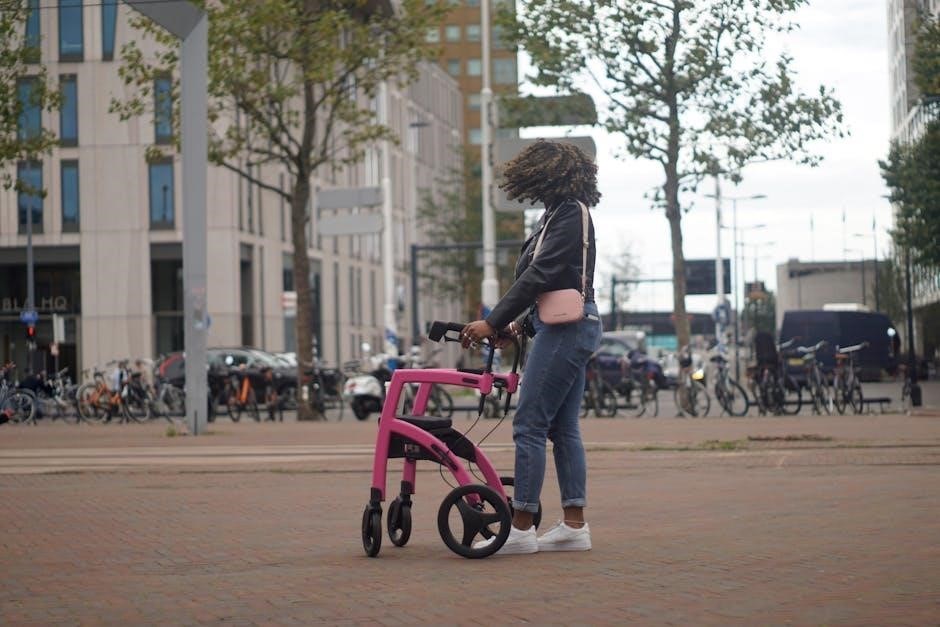
A walker bag is a specially designed accessory that attaches to a walking aid – typically a rollator or walker – providing a convenient carrying solution for personal items. These bags offer a secure and accessible space for essentials like wallets, keys, phones, medications, water bottles, and even small shopping items. They eliminate the need to juggle belongings while navigating with a mobility aid, significantly improving safety and independence.

Traditionally, individuals relying on walkers often resorted to makeshift solutions like plastic bags or awkwardly carried purses. However, these methods are often unstable, uncomfortable, and lack security. A dedicated walker bag addresses these issues by providing a purpose-built, stable, and often padded storage option.

The increasing availability of free walker bag patterns (PDF downloads), as found on platforms like Instructables, empowers users and their caregivers to create customized solutions. These patterns cater to various walker styles and individual needs, offering a cost-effective alternative to purchasing pre-made bags. Ultimately, a walker bag enhances the quality of life for those using mobility aids, promoting greater freedom and self-sufficiency.

Benefits of Using a Walker Bag

Utilizing a walker bag offers a multitude of advantages for individuals who rely on walkers for mobility. Primarily, it provides hands-free convenience, allowing users to maintain balance and stability without struggling to carry personal belongings. This is particularly crucial for seniors or those with limited strength or dexterity.

Enhanced safety is another significant benefit. By securely storing items within the bag, the risk of dropping them and potentially tripping or falling is minimized. Furthermore, having essentials readily accessible – like medications or a phone – can be vital in emergency situations.

The availability of free walker bag patterns (PDF downloads) expands these benefits by enabling customization. Users can select patterns that suit their specific walker model and storage needs. Creating a bag yourself can also be a rewarding and therapeutic activity. Beyond practicality, a well-chosen or handmade walker bag can add a touch of personal style and dignity, fostering a sense of independence and well-being. It’s a simple addition with a profound impact on daily life.

Types of Walker Bags Available

The market, and the world of free walker bag patterns (PDF downloads), offers a diverse range of bag styles to accommodate varying needs and preferences. Front-mounted bags are popular for easy access to frequently used items, attaching directly to the walker’s front frame. Side-mounted bags provide more storage space without obstructing the user’s view, often featuring multiple compartments.

Universal fit bags are designed to be compatible with most standard walkers, while others are specifically tailored for certain models. Some patterns yield insulated bags, ideal for carrying medications or beverages, and waterproof options protect contents from the elements.

Beyond these core types, you’ll find bags with specialized features like zippered closures for security, adjustable straps for a customized fit, and even decorative elements for a personalized touch. The availability of free patterns allows for experimentation and the creation of unique designs. Ultimately, the best type of walker bag depends on the individual’s lifestyle, mobility requirements, and desired level of convenience.

Materials Commonly Used in Walker Bag Construction

When utilizing a free walker bag pattern (PDF), material selection is crucial for durability and functionality. Durable cotton canvas is a popular choice, offering a balance of strength and affordability. Denim, repurposed from old jeans, provides excellent resilience and a classic look. For water resistance, consider oilcloth or laminated cotton, protecting contents from light rain.

Polyester fabrics are lightweight and easy to clean, making them suitable for everyday use. Reinforcements often incorporate heavy-duty interfacing to add structure and prevent sagging. Straps and handles benefit from nylon webbing, known for its exceptional strength.

Beyond the main fabric, consider waterproof lining for added protection, and zippers or Velcro closures for secure storage. The choice of materials impacts the bag’s weight, appearance, and longevity. Utilizing readily available and recycled materials can also make your project more sustainable and cost-effective, especially when working with free patterns.

Finding Free Walker Bag Patterns (PDF Downloads)

Locating free walker bag patterns (PDF downloads) requires exploring online resources dedicated to sewing and crafting. Instructables is a fantastic starting point, frequently hosting user-submitted projects with downloadable instructions. Websites like Pinterest act as visual discovery engines, linking to numerous free patterns hosted on blogs and personal websites.

A targeted Google search using keywords like “free walker bag pattern PDF,” “walker bag sewing pattern,” or “DIY walker bag” yields a wealth of results. Pattern websites often offer a selection of free patterns to attract users, while online sewing communities and forums are excellent places to ask for recommendations.

Remember to carefully review the pattern’s skill level and required materials before downloading. Checking user comments and project photos can provide valuable insights into the pattern’s clarity and accuracy. Always scan downloaded files for safety before opening them.

Popular Free Walker Bag Patterns – Detailed Overview

Several free walker bag patterns (PDF downloads) consistently gain popularity among sewing enthusiasts. The SewUseful Walker Bag, featured on Instructables, stands out for its professional finish and practical design. This pattern focuses on creating a durable and aesthetically pleasing bag, often observed as a solution for seniors needing convenient storage while using walkers.

Many patterns emphasize simple construction, utilizing basic sewing skills and readily available materials. Common features include adjustable straps for secure attachment, multiple pockets for organization, and reinforced seams for durability. Variations exist, ranging from basic tote-style bags to more complex designs with zippered closures and padded interiors.

PDF patterns typically include detailed instructions, pattern pieces, and photographs to guide the sewist through each step. Look for patterns with clear diagrams and well-written explanations to ensure a successful project. User reviews often highlight patterns that are particularly easy to follow or offer unique design elements.

SewUseful Walker Bag: A Step-by-Step Guide

The SewUseful Walker Bag, available as a free PDF pattern on Instructables, begins with gathering your materials: fabric (durable cotton or canvas recommended), interfacing, webbing for straps, and basic sewing supplies. Step one involves cutting out the pattern pieces accurately, ensuring clean edges for a professional finish.

Step two focuses on assembling the bag’s body, typically involving sewing the side and bottom pieces together. Step three incorporates interfacing to provide structure and stability. Step four details attaching the straps, ensuring they are securely fastened to withstand weight.

Steps five through seven cover creating and attaching pockets – internal and external – for organization. Step eight involves reinforcing stress points, like strap attachments, with extra stitching. Finally, step nine details the finishing touches, such as neatening seams and adding any desired embellishments. The Instructables guide provides clear photos for each stage, making it accessible for various skill levels.

Pattern Adjustments for Different Walker Sizes

When utilizing a free walker bag pattern PDF, adjustments are often crucial to accommodate varying walker dimensions. Width adjustments are typically the most common; measure the width of your walker’s front supports and modify the pattern’s bag width accordingly, adding seam allowances.

Height adjustments may be needed if your walker has unusually tall or short supports. Carefully assess the available space and adjust the pattern’s height, ensuring the bag doesn’t interfere with movement. Depth adjustments are less frequent but important if you require a shallower or deeper bag.

To scale the pattern, consider using a grid method or a digital pattern editing software. Always test the adjusted pattern with scrap fabric before cutting into your final material. Remember to maintain proportional adjustments to avoid distorting the bag’s shape. Prioritize a secure and comfortable fit, ensuring the bag doesn’t impede the walker’s functionality or the user’s safety.

Essential Sewing Tools for Walker Bag Projects

Embarking on a free walker bag pattern PDF project requires a focused toolkit. A reliable sewing machine is paramount, ideally with adjustable stitch lengths and widths for varied fabric weights. Sharp fabric scissors are crucial for precise cutting, while a rotary cutter and mat enhance accuracy, especially with thicker materials.

Measuring tools – a ruler, measuring tape, and seam gauge – ensure accurate pattern adjustments and seam allowances. Pins are essential for holding fabric layers together, and a seam ripper proves invaluable for correcting mistakes. Consider using clips instead of pins for vinyl or laminated fabrics.

Hand-sewing needles are useful for detail work and reinforcing stress points. A sturdy thimble protects your fingers during hand-sewing. Don’t forget marking tools like fabric chalk or a disappearing ink pen for transferring pattern markings. Finally, a good iron and ironing board are vital for achieving professional-looking seams and a crisp finish.

Fabric Selection: Durability and Style Considerations

Choosing the right fabric is key when utilizing a free walker bag pattern PDF. Durability is paramount; walkers encounter daily use and varying weather conditions. Canvas, denim, and duck cloth offer excellent resistance to wear and tear. Cordura, a nylon fabric, is exceptionally strong and water-resistant, ideal for outdoor use.

For a softer aesthetic, consider quilted cotton or heavier-weight cotton blends. However, these may require additional reinforcement. Vinyl or laminated cotton provides water resistance but can be trickier to sew. Consider the walker user’s style preferences – prints, colors, and textures can personalize the bag.

Think about the bag’s intended use. A bag for groceries needs robust fabric, while one for personal items might prioritize aesthetics. Lining the bag with a contrasting fabric adds a polished look and extra durability. Always pre-wash fabrics to prevent shrinkage after construction.

Reinforcing Key Stress Points in Walker Bag Construction

When working with a free walker bag pattern PDF, reinforcing stress points is crucial for longevity. Walkers experience significant strain, and a well-constructed bag must withstand this. Focus on areas where the bag attaches to the walker frame – these require robust stitching and potentially webbing straps.

Double-stitch all seams, especially those bearing weight. Consider using a heavier-duty thread, like upholstery thread, for added strength. Reinforce corners with triangular fabric patches or bar tacks. The bottom of the bag, prone to abrasion, benefits from extra layers of fabric or a durable lining.

If your pattern includes handles, ensure they are securely attached with multiple rows of stitching and reinforced with interfacing. Boxed corners provide greater stability and distribute weight more evenly. Adding rivets at key connection points offers exceptional durability. Regularly inspect reinforced areas for wear and tear, and repair promptly.

Adding Pockets and Compartments for Organization

Utilizing a free walker bag pattern PDF doesn’t limit customization! Enhance functionality by incorporating pockets and compartments. Consider the user’s needs – what items will they frequently carry? External pockets are ideal for quick access to tissues, hand sanitizer, or a phone.

Internal compartments, secured with dividers, can organize medications, keys, or wallets. Zippered pockets offer security for valuables. Mesh pockets provide visibility for contents. Vary pocket sizes to accommodate different items. Think about adding a dedicated water bottle holder for convenience.

When attaching pockets, reinforce the seams to prevent tearing under weight. Use interfacing to provide structure and prevent stretching. Consider the placement of pockets to maintain balance and avoid interfering with the walker’s movement. A well-organized walker bag promotes independence and peace of mind for the user.

Attaching the Bag Securely to the Walker

A free walker bag pattern PDF is only useful if the bag attaches safely and reliably! Avoid simply tying the bag to the walker, as this is unstable and potentially dangerous. The most common method involves using straps – either pre-made or created from sturdy fabric.

Reinforced webbing straps are ideal, offering durability and strength. Consider adjustable straps to accommodate different walker frame sizes. Secure the straps to the walker frame using buckles, Velcro, or even sturdy snaps. Ensure the attachment points are strong and won’t easily detach during use.

Distribute the weight evenly across the attachment points to prevent tipping. Regularly inspect the straps and attachment hardware for wear and tear. A secure attachment is paramount for user safety and confidence. Double-check all connections before each use, ensuring the bag remains firmly in place.

Walker Bag Safety Considerations

When utilizing a free walker bag pattern PDF, safety must be the top priority. Overloading the bag can significantly affect the walker’s stability, increasing the risk of falls. Always adhere to the walker’s maximum weight capacity, factoring in the bag’s contents.

Ensure the bag doesn’t interfere with the walker’s wheels or movement. Avoid designs that dangle or obstruct the user’s path. Regularly inspect the bag and its attachments for any signs of wear or damage. Loose straps or weakened seams can create hazards.

Consider visibility – bright colors or reflective materials can enhance the user’s safety, especially in low-light conditions. Avoid placing heavy items high in the bag, as this raises the center of gravity. Prioritize a secure attachment method, as discussed previously, to prevent the bag from detaching unexpectedly. A well-designed and safely attached bag enhances mobility, not compromises it.

DIY vs. Purchasing a Pre-Made Walker Bag

Choosing between a DIY walker bag, utilizing a free walker bag pattern PDF, and a pre-made option depends on your skills, time, and budget. DIY offers complete customization – fabric choice, pocket placement, and size adjustments are all within your control. It’s a rewarding project for those comfortable with sewing, potentially saving money.

However, pre-made bags offer convenience and often feature professionally finished details. They’re ideal for those lacking sewing experience or needing an immediate solution. While potentially more expensive upfront, they guarantee quality and durability.

Consider the complexity of the pattern. A simple free PDF might be a good starting point for beginners, while intricate designs require more expertise. Factor in the cost of materials for DIY – fabric, interfacing, hardware – which can add up. Ultimately, assess your needs and capabilities to determine the best option; Both routes provide a functional solution for carrying essentials while using a walker;

Care and Maintenance of Your Walker Bag

Proper care extends the life of your walker bag, whether crafted from a free walker bag pattern PDF or purchased pre-made. Regular cleaning is crucial; most fabrics can be spot-cleaned with mild soap and water. For deeper cleaning, check the fabric’s care label – some materials may be machine washable, while others require hand washing.

Inspect seams and attachment points frequently, especially if the bag carries heavy items. Reinforce any loose stitching promptly to prevent tears. Pay attention to the walker attachment method; ensure straps or Velcro remain secure. Avoid overfilling the bag, as excessive weight strains seams and attachments.

When not in use, store the bag in a dry place to prevent mildew. For bags made from delicate fabrics, consider using a protective spray. Consistent maintenance, even with a simple bag created from a free PDF, ensures its longevity and continued functionality.

Troubleshooting Common Walker Bag Sewing Issues

Even with a detailed free walker bag pattern PDF, sewing challenges can arise. A frequent issue is fabric slippage – using pins and a walking foot on your sewing machine helps immensely. If seams pucker, adjust your stitch length or try a lighter presser foot pressure. Difficulty attaching the bag securely to the walker often stems from inaccurate measurements; double-check the pattern and walker dimensions.

Another common problem is weak stress points. Reinforce these areas (handle attachments, strap connections) with extra stitching or interfacing. If your fabric frays easily, finish seams with a zigzag stitch or serger. When working with thicker materials, ensure your needle is appropriately sized to prevent skipped stitches.

Don’t be discouraged by initial setbacks! Many online sewing communities offer support and solutions. Remember, even experienced sewers encounter problems – utilizing resources and patience will lead to a successfully constructed walker bag from your free PDF pattern.

Resources for Further Walker Bag Inspiration & Patterns

Beyond readily available free walker bag pattern PDFs, a vibrant online community awaits! Websites like Instructables consistently feature user-submitted projects, offering diverse designs and construction techniques. Pinterest serves as a visual treasure trove, brimming with walker bag ideas and links to various pattern sources.

Etsy, while often featuring paid patterns, can inspire customization and provide insights into professional designs. Facebook groups dedicated to sewing and adaptive crafting are excellent platforms to ask questions, share progress, and discover new resources. Don’t overlook YouTube tutorials – visual learners will benefit from step-by-step demonstrations.

For more complex designs or specialized features, consider exploring pattern marketplaces like LoveCrafts or Ravelry. Remember to always check pattern reviews before starting a project. Utilizing these resources will expand your skills and help you create the perfect, personalized walker bag using a free PDF as a starting point!