
NJ Transit Route 400 Overview
Route 400, operated by NJ Transit, links the Philadelphia corridor to the New Jersey suburbs. It begins at the EB Transportation Center, traverses major arteries such as Thomas Busch Memorial Hwy, and terminates near Cherry Hill Mall, serving key commuter hubs.
Daily service meets needs.
Route Number and Designation
Route 400 is the official numeric identifier for a key commuter corridor operated by NJ Transit. The designation “Route 400” appears on every bus, on all printed timetables, and in the agency’s online schedule interface, providing a consistent reference point for riders and planners alike. The number itself is part of a broader numbering scheme that organizes the network into easily recognizable lines, with lower numbers typically indicating primary routes that serve high‑volume corridors. In the case of Route 400, the designation signals a dedicated service that connects suburban communities to major employment centers and transit hubs. The branding associated with the route number includes a distinctive color scheme on signage, a specific logo on the bus exterior, and a unique icon on the NJ Transit mobile app. This visual identity helps passengers quickly identify the correct service amid a complex web of routes. The designation is also embedded in legal documents, fare structures, and regulatory filings, ensuring that the route’s operational parameters are clearly defined. By maintaining a stable and recognizable route number, NJ Transit enhances rider confidence, simplifies trip planning, and supports efficient system management. The consistency of the “Route 400” label across all platforms—print, digital, and on‑board—reinforces the agency’s commitment to clarity and reliability for all users. Its clear numbering simplifies fare and assists in real‑time service updates commuters.!!
Service Area and Start/End Points
Route 400 serves a focused corridor that begins at the EB Transportation Center (TCC) in Philadelphia’s South Philadelphia area and stretches eastward into New Jersey’s suburban landscape. The official start point is the TCC, a major intermodal hub where riders can transfer to regional rail, local transit, and other NJ Transit bus lines. From there, the bus departs along Thomas Busch Memorial Highway, passing through key intersections such as Hylton Road, Westfield Avenue, and 42nd Street. The route continues through residential neighborhoods, commercial districts, and industrial zones, providing essential connectivity for commuters, students, and shoppers. The eastern terminus is located near Cherry Hill Mall in Pennsauken, a prominent retail destination that attracts a diverse passenger base. At this endpoint, passengers can transfer to other NJ Transit routes, including the 400A and 400B variants, or access local bus services that serve the broader Cherry Hill area. The corridor’s design emphasizes a direct, high‑frequency link between the Philadelphia metropolitan area and the New Jersey suburbs, reducing travel times and encouraging public transit use. The route’s endpoints are strategically chosen to maximize accessibility, with the TCC offering extensive parking and the Cherry Hill Mall providing ample drop‑off and pick‑up points. This configuration supports both daily commuters and occasional travelers, ensuring that the service area remains relevant to a wide demographic. Route 400’s area is vital for mobility.!!
Schedule PDF Access
Download the latest Route 400 schedule in PDF from the official NJ Transit website. The file is available at https://www.njtransit.com/pdf/400.pdf and is compatible with Adobe Reader, Foxit, and mobile PDF viewers.
Official PDF Download Locations
For the most accurate and up‑to‑date Route 400 timetable, NJ Transit hosts the PDF on its official portal. The primary download link is https://www.njtransit.com/pdf/400.pdf. Visitors can also access the same file through the “Schedules & Timetables” section of the main NJ Transit website, where a dropdown menu lists all active routes. Additionally, the PDF is mirrored on the NJ Transit mobile app’s “Schedule Viewer” feature, ensuring commuters can retrieve the document even while offline. To verify authenticity, look for the “© 2026 NJ Transit” footer and the “Route 400 – Bus Schedule” title at the top of the document. If the file fails to load, clear your browser cache or try a different PDF reader; the file size is approximately 1.2 MB, making it lightweight for quick downloads on both desktop and mobile devices. For accessibility, the PDF includes a searchable text layer and is compatible with screen readers. Should you encounter any discrepancies or need a printed version, contact the NJ Transit customer service center, which can provide a hard copy upon request. All official PDF downloads are maintained under the NJ Transit brand guidelines, ensuring consistent formatting and up‑to‑date information for commuters across the state. The PDF is updated quarterly, with the latest revision dated March 15, 2026. Users can also download a compressed ZIP archive containing the PDF and a CSV version for data analysis. Both formats are available at the same URL, ensuring flexibility for different user needs. The PDF is available in both English and Spanish versions, selectable via the language toggle on the download page. The PDF includes a legend explaining color codes, a list of all stops with mile markers, and a timetable grid that aligns with real‑time GPS data. It also features a QR code linking to the live tracking page for Route 400. The file is signed by the NJ Transit operations manager to confirm its validity. Users can bookmark the URL for quick access during travel planning sessions. For bulk requests or institutional use, email the schedule team for custom distribution. For any questions regarding the PDF, reach out to the NJ Transit operations office at 732‑249‑1100,
File Format and Compatibility
The Route 400 timetable is released as a PDF (Portable Document Format), a universally accepted format that preserves layout across devices. The file averages 1.2 MB and includes a searchable text layer, enabling quick lookup of stops and times. It is fully compatible with Adobe Acrobat Reader, Foxit Reader, and the built‑in PDF viewer in Chrome, Firefox, Edge, and Safari. Android and iOS users can open it in the NJ Transit mobile app’s native viewer, which supports pinch‑to‑zoom and page‑by‑page navigation. The PDF is also bundled in a ZIP archive containing the PDF and a CSV export for data‑driven analysis; the ZIP is 1.1 MB and can be opened with WinZip, 7‑Zip, or the OS‑native extractor. Accessibility features include a screen‑reader friendly structure, alt‑text for icons, and high‑contrast mode, and the file follows the PDF/UA standard to guarantee usability for people with disabilities. Updated quarterly, the latest revision (March 15, 2026) is signed by the NJ Transit operations manager to confirm authenticity. Users can download the file from the official NJ Transit website or request a hard copy via the customer service center. The PDF is optimized for printing, with 300 dpi raster images and a table of contents linking to each section. A QR code embedded in the document links to the real‑time bus tracker, which updates every 30 seconds, providing up‑to‑date arrival information. The PDF’s metadata lists author, creation date, and keywords, aiding indexing for day transit planners.
Key Stops Along Route 400
Major hubs include the EB Transportation Center, Thomas Busch Memorial Hwy at Hylton Rd, Westfield Ave at 42nd St, Park Ave at Haddonfield Rd, Cove Rd at Wayne Ave, and Cherry Hill Mall. Pennsauken stops serve local commuters. The route also serves historic Pennsauken Park and Haddonfield Station.?!
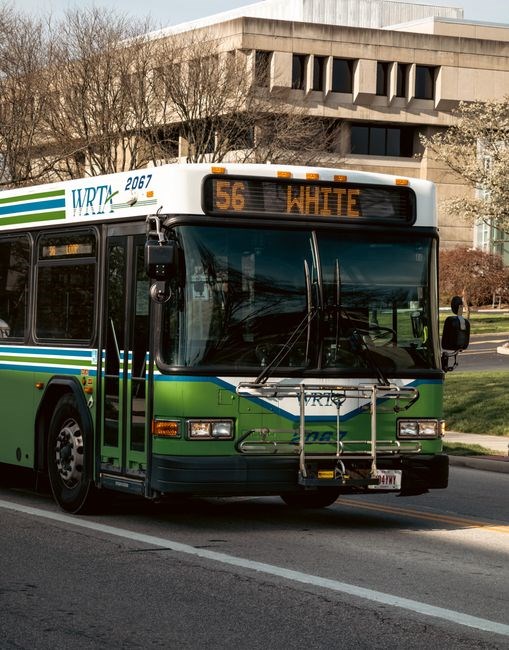
Major Transfer Stations (e.g., EB Transportation Center)
Route 400 serves several critical transfer hubs that connect commuters to regional rail and light‑rail. The flagship node is the EB Transportation Center, a multimodal complex linking the Route 400 corridor to the PATCO Speed‑Line; From the center, passengers can transfer to the 400‑series express buses heading toward the Delaware River waterfront, as well as the 300‑series routes. Another key interchange is located at Thomas Busch Memorial Highway near Hylton Road, where riders can connect to the 400‑series and the 500‑series routes. Westfield Ave at 42nd St functions as a secondary transfer point, offering connections to the 200‑series local lines that serve surrounding suburban communities. Each of these stations is equipped with real‑time arrival displays, sheltered waiting areas, and accessibility features such as elevators and tactile signage. The design of the transfer hubs emphasizes seamless passenger flow, with clearly marked signage directing travelers to the appropriate platforms for their desired routes. In addition, the stations provide amenities including Wi‑Fi, vending machines, and security cameras to enhance the overall travel experience. By concentrating transfer services at these points, NJ Transit improves network efficiency cuts travel times for commuters between Philadelphia and the New Jersey suburbs. These hubs host real‑time digital displays that provide live updates on bus arrivals, departures, and service alerts, ensuring riders stay informed!
Community Landmarks (e.g., Cherry Hill Mall, Pennsauken)
Route 400’s alignment brings riders close to several prominent community landmarks that serve as both destinations and reference points for commuters. The route’s most frequented stop is the Cherry Hill Mall, a regional shopping center that anchors the southern terminus of the line. The mall’s proximity to the bus platform allows shoppers to transfer to local services or continue on to the EB Transportation Center for cross‑state travel. Adjacent to the mall, the Pennsauken Transit Hub provides a vital link to the PATCO Speed‑Line, enabling seamless access to downtown Philadelphia. In addition, the bus line passes the Thomas Busch Memorial Highway at Hylton Road, where a dedicated stop serves the local community and connects to the 400‑series express service. Westfield Ave at 42nd St offers another key transfer point, offering connections to the 200‑series local lines that serve surrounding suburban neighborhoods. The route also serves the historic Westfield Avenue corridor, where commuters can access the 300‑series routes that head toward the Delaware River waterfront. Throughout its journey, Route 400 maintains a schedule that accommodates both peak‑hour commuters and weekend travelers, ensuring that residents of Cherry Hill, Pennsauken, and neighboring towns have reliable access to regional transit options. The combination of major shopping destinations, transit hubs, and local streets makes Route 400 an essential artery for the region’s daily mobility needs. Commuters rely on Route 400 for efficint travel across the corridor now.
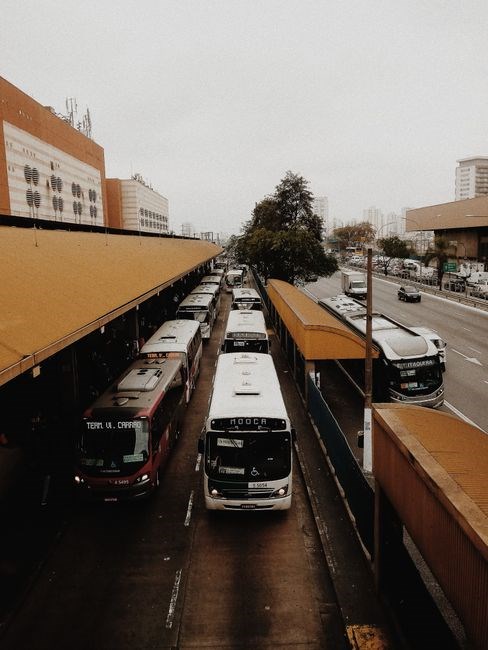
Timetable Structure
The timetable PDF, available at the official NJ Transit website, outlines daily frequencies, peak‑hour intervals, and adjustments daily now!! It is formatted in PDF 1.7, ensuring compatibility with most browsers and mobile apps Users can download the file directly or view it online for reference now.!
Frequency During Peak Hours
During weekday rush periods, the PDF schedule indicates buses depart every fifteen minutes between 6:00 a.m. and 9:00 a.m. on the inbound side toward Philadelphia, and between 4:00 p.m. and 7:00 p.m. on the outbound side toward New Jersey. This interval is designed to accommodate the highest passenger volumes, ensuring minimal wait times for commuters. The timetable also notes that certain early‑morning trips, starting at 5:30 a.m., operate on a twenty‑minute cadence to serve workers and students. Similarly, late‑evening services, beginning at 8:30 p.m., maintain a twenty‑minute frequency until 10:30 p.m. to support travelers. All peak‑hour intervals are clearly marked in the PDF with bold numerals and a distinct color code, allowing riders to quickly identify the most efficient peak‑hour intervals. The document further explains that during special events, such as major sporting fixtures or holiday parades, the transit authority may temporarily adjust these intervals to fifteen minutes or less, as indicated in the “Event Schedule” section of the PDF. Riders are encouraged to consult the latest version of the PDF, which is updated monthly, to verify any temporary changes. The PDF’s interactive features enable users to click on specific time blocks to view departure information, making it easier to plan trips around the most efficient peak‑hour intervals. For updates, riders may also use the NJ Transit mobile app, which syncs with the PDF schedule to provide arrival alerts and route changes today.
Off-Peak and Weekend Schedules
Contact and Support Information
24/7 Dispatch: 732‑249‑1100 Ext 219
Email: info@njtransit.com
Online Inquiry: Visit NJ Transit website for chat and forms. For additional assistance, call or email us during business hours. Now.!!
24/7 Dispatch Phone (732-249-1100 Ext 219)
Dispatch Hotline: 732‑249‑1100 Ext 219. This line is staffed 24 hours a day, 7 days a week, providing real‑time assistance for Route 400 riders. Callers can report delays, request vehicle location updates, or ask for schedule changes. The dispatcher is trained in emergency protocols, ensuring that any incidents on the route are handled promptly and safely. For non‑urgent inquiries, callers may also request a copy of the latest PDF schedule, which is available for download on the NJ Transit website. The dispatcher can guide you through the process of accessing the PDF, including navigating to the “Schedules” section, selecting “Route 400,” and downloading the file in PDF format. If you prefer email communication, the dispatch team can forward the schedule to your address. The hotline is also the primary point of contact for reporting lost or found items on the bus, coordinating the requests, such wheelchair assistance or group travel arrangements. All calls are recorded for quality assurance and to improve service reliability. The dispatch center is located in the EB Transportation Center, ensuring that the operator has direct access to real‑time traffic data and can adjust routes as needed. Riders are encouraged to keep the dispatch number handy for any on‑route assistance The service is free of charge and available to all passengers, regardless of fare status For the most accurate and up‑to‑date information, call the dispatch line during your travel day and receive immediate support The thank you for choosing NJ Transit
Email and Online Inquiry Options
For passengers who prefer electronic communication, NJ Transit offers several convenient options to obtain the latest Route 400 schedule in PDF format and to submit questions or feedback. The primary email address for Route 400 inquiries is route400@njtransit.com. When you send an email, include your full name, contact number, and a brief description of the information you need. The transit team typically responds within one business day, and the reply will contain a direct link to the most recent PDF schedule, as well as any updates on service changes or planned maintenance that may affect the route. In addition to email, the NJ Transit website hosts a dedicated “Contact Us” form. By navigating to the “Customer Service” section, selecting “Route 400,” and filling out the form fields, you can request a copy of the schedule, report a lost item, or request assistance for special travel needs. The online form is accessible 24/7 and automatically logs your request, providing a reference number for follow‑up. For real‑time updates, passengers can also use the NJ Transit mobile app, which offers push notifications for delays, cancellations, and the latest PDF schedule downloads. All electronic communications are handled in compliance with the New Jersey Public Records Act, ensuring that your privacy is protected while you receive timely and accurate information about Route 400. Feel free to reach out for any additional assistance or feedback regarding Route 400 services.all